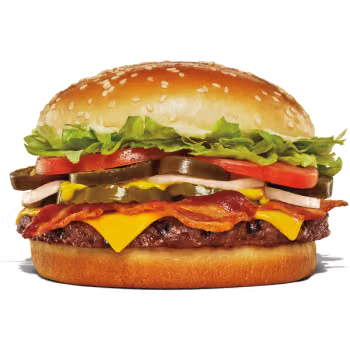
Quick Answer: The Impossible Texas Whopper costs $11.19 on its own (810 kcal), or as a combo for $15.79 (small or medium) or $16.39 (large).
A flame-grilled Impossible™ plant-based patty topped with melty American cheese, crispy bacon, tomatoes, lettuce, white onions, pickles, jalapeños, mayo, and yellow mustard, all on a toasted sesame seed bun. It’s the plant-based version of the Texas Whopper, same fully loaded topping stack, just built on the Impossible patty instead of beef.
Compared to the regular Texas Whopper, this one actually carries more sodium despite the lower calorie count, worth knowing if you’re choosing between the two for reasons beyond just calories.
What’s Included
- Just the Sandwich: $11.19 (810 Cal)
- Small Combo: $15.79 (1,040 to 1,780 Cal, depending on side and drink)
- Medium Combo: $15.79 (1,100 to 1,850 Cal)
- Large Combo: $16.39 (1,240 to 1,970 Cal)
A combo includes your choice of French Fries or Onion Rings on the side, plus a fountain drink, which is why the calorie range shifts depending on what you pick.
Price
- Sandwich only: $11.19
- Small Combo: $15.79
- Medium Combo: $15.79
- Large Combo: $16.39
The price may vary. The average price shown here depends on the store location.
Nutrition Values
For the sandwich on its own:
- Energy: 810 kcal
- Protein: 41 g
- Fat: 47 g
- Saturated Fat: 15 g
- Trans Fat: 0 g
- Fiber: 8 g
- Carbohydrates: 64 g
- Sugar: 13 g
- Sodium: 2,370 mg
- Cholesterol: 40 mg
Sodium warning: this item is high in sodium.
Energy from food and drink is measured in kilojoules (kJ), and getting a balanced amount matters for daily activity and overall health.
- 2,000 calories a day is used as a general reference for nutrition advice, though needs vary by activity level, body weight, and height.
- For kids, daily energy needs depend on age, weight, gender, and activity level.
Allergen Information
This item contains:
- Eggs
- Milk
- Sesame
- Soy
- Wheat
My Honest Take
Sodium here (2,370mg) actually beats the regular Texas Whopper’s 2,130mg, even though this version has fewer calories and less saturated fat overall. Fiber (8g) stands out too, more than double the beef version’s 5g, thanks to the plant-based patty.
If you’re picking this over the beef Texas Whopper for health reasons, know that sodium isn’t one of the areas where it wins, cholesterol and saturated fat are lower, but sodium runs higher. Order it through Burger King’s official website or the app.
Similar Items





Browse all items in Flame Grilled Burgers, or see the full Burger King menu for sides, drinks, and desserts.
FAQs
How many calories are in the Impossible™ Texas Whopper®?
810 kcal for the sandwich alone. As a combo, the range runs from 1,040 to 1,970 Cal depending on size and side.
How much does it cost?
$11.19 for just the sandwich, $15.79 for a small or medium combo, or $16.39 for a large combo.
How does this compare to the regular Texas Whopper?
Fewer calories (810 vs 850) and less saturated fat (15g vs 18g), but higher sodium (2,370mg vs 2,130mg) and no cholesterol from meat, though it still has 40mg from the egg-based mayo and cheese.
What allergens does it contain?
Eggs, milk, sesame, soy, and wheat.
Should You Get the Impossible™ Texas Whopper®?
Yes, if you want a plant-based patty without giving up the bacon, jalapeños, and full topping stack, this delivers the same bold flavor as the beef version. The higher fiber and lower cholesterol are genuine upsides if that matters to you.
Just don’t assume it’s automatically the lighter choice across the board, sodium actually runs higher here than in the beef Texas Whopper, so it’s a trade-off rather than a straightforward downgrade.